
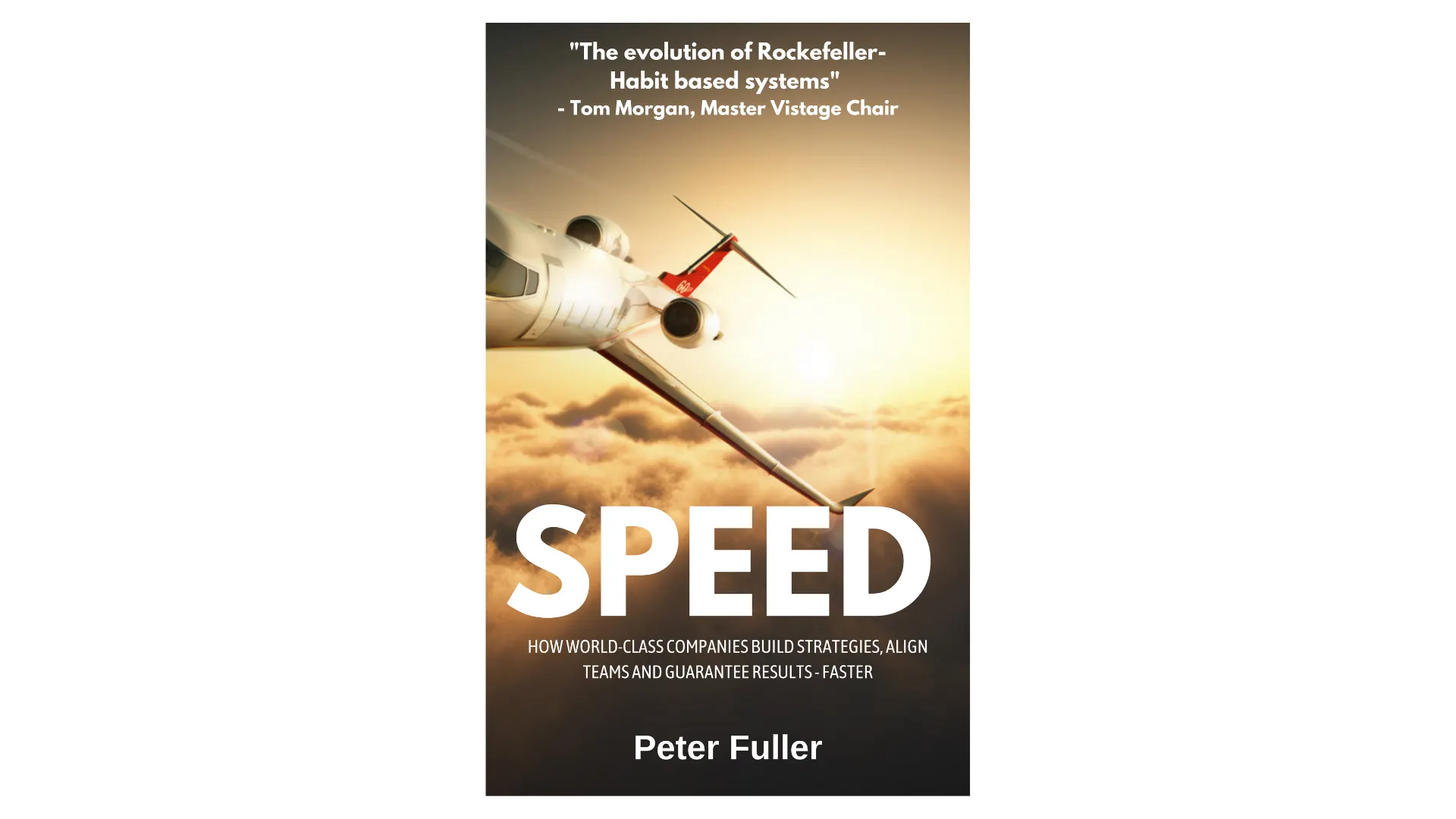
In the world of business, speed and efficiency are paramount. The metaphor of a jet perfectly encapsulates these ideals. For many entrepreneurs, a jet symbolizes not just success, but the ultimate freedom and efficiency that they strive to achieve in their business operations.
Speed and Efficiency
A jet represents unparalleled speed and efficiency. It is a machine designed to operate at high speeds with flawless precision, cutting down travel time and providing its passengers with more time to focus on what truly matters. Similarly, a world-class business operates with high efficiency, minimizing waste and maximizing output. It’s about getting things done faster and better, allowing business leaders to focus on strategic growth and innovation.
Freedom and Control
Owning or having access to a jet is often seen as the epitome of freedom. It allows business leaders to travel anywhere at any time, giving them control over their schedules and the freedom to seize opportunities as they arise. In business, this translates to having a well-oiled operation that runs smoothly without constant oversight, giving leaders the freedom to focus on big-picture strategies and personal growth.
World-Class Operation
A jet is a world-class machine, built with precision and equipped with redundant systems to ensure safety and reliability. It operates on clear metrics and accountability, with every component working in harmony to achieve optimal performance. Similarly, a world-class business relies on well-defined metrics and accountability structures. By focusing on key performance indicators (KPIs) and maintaining a transparent and efficient operation, businesses can achieve superior results and maintain a competitive edge.
The Ultimate Symbol of Success
While a jet is a symbol of success, it is often the last item on the list of priorities for many successful entrepreneurs. Before acquiring a jet, they focus on building a legacy, contributing to their community, and ensuring the well-being of their employees. A jet signifies that they have successfully managed these priorities and now have the means to enjoy the fruits of their labor. It represents the culmination of hard work, strategic planning, and effective leadership.
Creating More Time
One of the most valuable aspects of having a jet is the time it saves. Time is a precious resource in business, and having more of it allows leaders to invest in their personal lives, community, and long-term goals. By running a world-class operation, businesses can achieve similar benefits—more time to innovate, strategize, and build a lasting legacy. It’s about creating a balance where the business supports the personal and professional aspirations of its leaders.
In conclusion, a jet is more than just a luxury; it’s a powerful metaphor for a successful business. It embodies speed, efficiency, freedom, and world-class operation—all critical elements for achieving business excellence. By striving to run our businesses like a jet, we can achieve greater success, freedom, and time to focus on what truly matters.
Finally, make sure you try Catipult.AI. It’s only $1 for 30 days… start your trial today.